
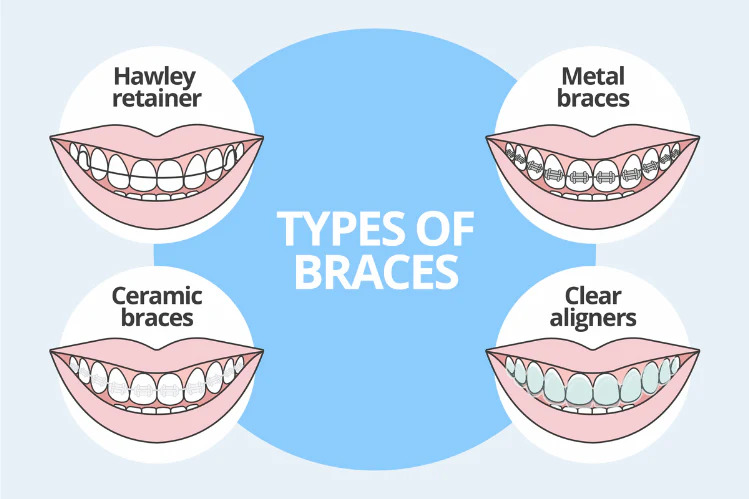
A confident smile plays a major role in both appearance and oral health. For people dealing with crooked teeth, overcrowding, gaps, or bite issues, dental braces are one of the most effective orthodontic solutions. With advancements in dentistry, patients now have multiple choices available. Understanding the types of dental braces can help you make an informed decision that suits your dental needs, lifestyle, and budget.
In this guide, we will explore the different types of dental braces, how they work, and what to expect from dental braces treatment, especially for those considering dental braces treatment in Lahore.
What are Dental Braces?
Dental braces are orthodontic devices designed to correct misaligned teeth, bite issues, overcrowding, and spacing problems. They apply gentle, continuous pressure to gradually move teeth into their correct positions. Dental braces treatment not only improves appearance but also enhances oral health by making teeth easier to clean and reducing jaw-related issues.
Why Understanding the Types of Dental Braces Matters
Choosing the right braces is essential because:
- Each type suits different orthodontic needs
- Treatment time and comfort vary
- Cost differences can be significant
- Aesthetic preferences matter for many patients
Let’s explore the most common types of dental braces available today.
1. Metal Braces (Traditional Braces)
Metal braces are the most well-known and widely used orthodontic option.
Key Features:
Made of high-grade stainless steel
Brackets attached to teeth with a metal wire
Elastic bands help apply pressure
Pros:
Highly effective for complex cases
More affordable than other options
Durable and reliable
Cons:
More noticeable than other types
Mild discomfort during adjustments
Metal braces remain a popular choice for children and teenagers and are often recommended for severe alignment issues.
2. Ceramic Braces
Ceramic braces work similarly to metal braces but are designed to blend with natural tooth color.
Key Features:
Tooth-colored or clear brackets
Less visible than metal braces
Pros:
More aesthetically pleasing
Effective for moderate to severe cases
Cons:
Slightly more expensive
Brackets can stain if oral hygiene is poor
Ceramic braces are ideal for adults who want effective dental braces treatment without highly visible hardware.
3. Lingual Braces
Lingual braces are placed on the inner side of the teeth, making them virtually invisible from the outside.
Key Features:
Custom-made brackets
Hidden behind teeth
Pros:
Completely discreet
Effective for many alignment issues
Cons:
Higher cost
Can affect speech initially
More difficult to clean
Lingual braces are suitable for patients who prioritize appearance during treatment.
4. Clear Aligners (Invisible Braces)
Clear aligners, such as Invisalign-style systems, are one of the most modern different types of dental braces.
Key Features:
Transparent, removable trays
Custom-designed for each patient
Pros:
Nearly invisible
Comfortable and removable
Easier oral hygiene
Cons:
Not ideal for very complex cases
Requires strict compliance
Clear aligners are popular among working professionals and adults seeking flexible dental braces treatment.
5. Self-Ligating Braces
Self-ligating braces use a specialized bracket system that does not require elastic bands.
Key Features:
Built-in clips hold the wire
Reduced friction
Pros:
Faster treatment time in some cases
Fewer orthodontic visits
Easier cleaning
Cons:
Higher cost than traditional braces
These braces combine efficiency with comfort, making them a preferred option for many patients.
Choosing the Right Type of Dental Braces
Selecting the right option depends on several factors, including:
Severity of dental issues
Age and lifestyle
Budget
Aesthetic preference
An experienced orthodontist will guide you after a detailed evaluation to ensure the best results.
What to Expect During Dental Braces Treatment
The process of dental braces treatment typically involves the following steps:
- Initial Consultation: Dental examination, X-rays, and impressions
- Treatment Plan: Customized approach based on dental needs
- Application of Braces: Brackets and wires are placed
- Adjustments: Periodic visits for tightening and alignment
- Retention Phase: Wearing retainers after braces removal
Treatment duration can range from 12 to 24 months, depending on the complexity of the case.
Summing Up!
Understanding the types of dental braces is the first and most important step toward achieving a healthier, more confident smile. Whether you need minor teeth alignment or comprehensive orthodontic correction, seeking treatment from a trusted dental clinic in Lahore ensures safe, effective, and long-lasting results. With expert guidance and personalized dental braces treatment, you can achieve a perfectly aligned smile while improving your overall oral health.